Senior Care Service Areas in Milwaukee
Understanding what service areas are available is an important first step in finding senior care resources. This page provides information about the Milwaukee region and highlights the various communities and areas surrounding the city.
Understanding Service Areas for Senior Care
Senior care services are typically organized around geographic regions and service areas. This allows care providers to understand local communities, coordinate care effectively, and ensure that professional caregivers can reach clients efficiently and provide consistent, high-quality support.
The Milwaukee Region
The Milwaukee metropolitan area encompasses Milwaukee County and surrounding regions, including a mix of urban, suburban, and community areas. Each area has distinct characteristics, populations, and service infrastructure.
Understanding where senior care services are available helps:
- •Ensure accessibility — Knowing which areas are served helps families access care for their loved ones
- •Support consistency — Service areas allow providers to build relationships with local healthcare facilities and resources
- •Enable coordination — Local service areas facilitate better communication and coordination among caregivers
- •Support timeliness — Geographic organization helps ensure caregivers can respond quickly to clients' needs
Senior Care Service Areas Map
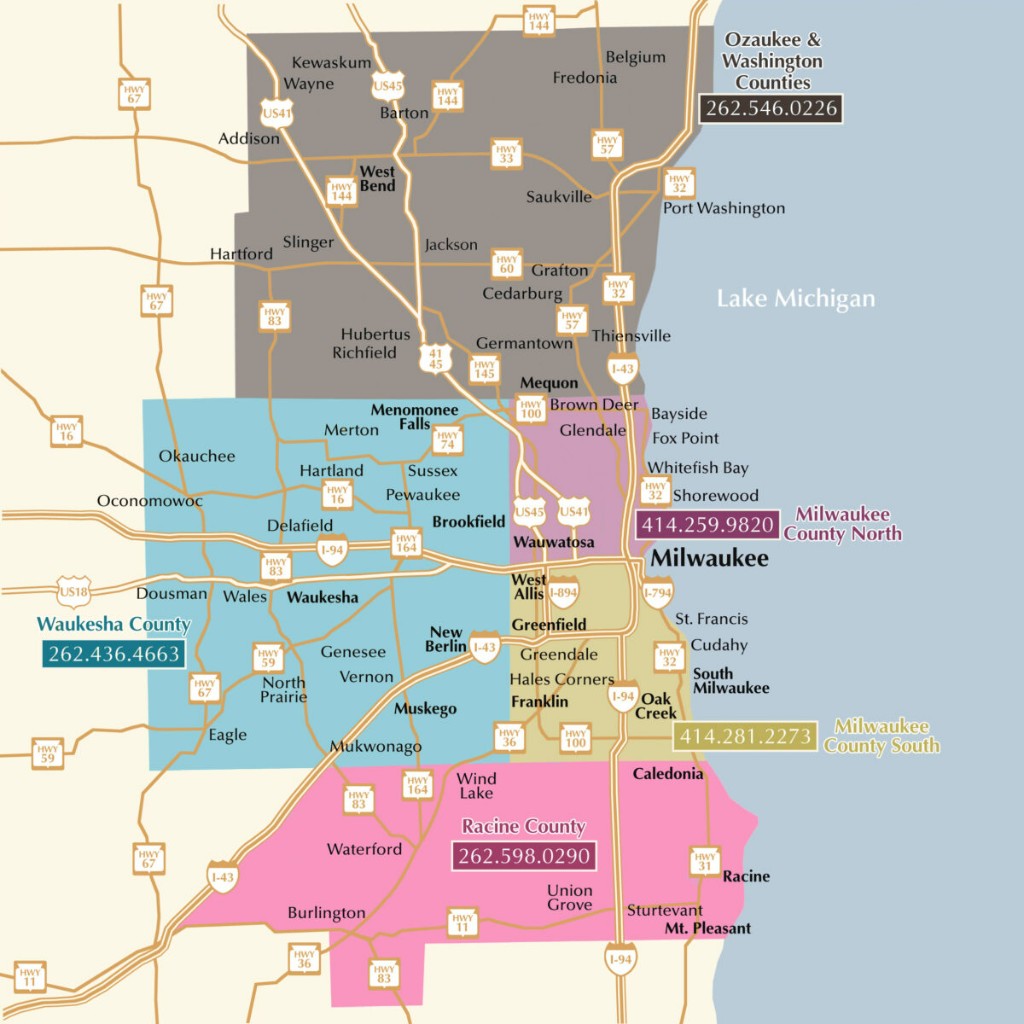
This map shows the service areas and regions served in the Milwaukee metropolitan area, including northern Milwaukee, western Milwaukee County (Waukesha County), and surrounding communities.
Milwaukee Communities
The Milwaukee area includes a diverse range of communities, each with unique characteristics and demographics. The region includes:
Northern Milwaukee
The northern part of Milwaukee includes various neighborhoods and communities serving diverse populations with different age demographics and support needs.
- •Urban neighborhoods
- •Mixed residential areas
- •Healthcare facilities and services
Waukesha County
Waukesha County, west of Milwaukee, includes suburban communities with growing senior populations seeking accessible care services.
- •Suburban communities
- •Mixed residential-commercial areas
- •Growing senior population
North Shore
The North Shore includes communities north of Milwaukee along Lake Michigan, including Shorewood, Whitefish Bay, Glendale, and others.
- •Shorewood
- •Whitefish Bay
- •Glendale
- •Fox Point, Bayside, River Hills
Milwaukee County South
Southern Milwaukee County includes communities south of Milwaukee city limits with diverse residential and commercial characteristics.
- •Oak Creek
- •St. Francis
- •Franklin
- •Cudahy
Racine County
Racine County, south of Milwaukee, includes communities like Racine, Waterford, and others, serving populations in the southern region.
- •Racine
- •Waterford
- •Union Grove
- •Mt. Pleasant
Ozaukee & Washington Counties
Counties north of Milwaukee including communities along Lake Michigan and inland areas serving northern region populations.
- •Port Washington
- •Cedarburg
- •West Bend
- •And surrounding areas
Understanding Milwaukee's Senior Population
The Milwaukee metropolitan area is home to a substantial senior population. Understanding the demographic characteristics of these communities helps explain why senior care services are important:
- •Growing aging population — Like many regions, Wisconsin's population is aging, with increasing numbers of people over 65
- •Diverse communities — Milwaukee serves diverse populations with varying cultural backgrounds, languages, and healthcare needs
- •Healthcare infrastructure — The region has established medical centers, hospitals, and healthcare providers
- •Housing diversity — Communities range from urban apartments to suburban homes to rural areas
These demographic factors make senior care services an important part of the healthcare landscape in the Milwaukee region.
Finding Senior Care Resources in Your Area
In Your Service Area
If you or a loved one lives in one of the communities shown on the service area map, you may be able to access in-home senior care services. These services can provide support with daily activities, personal care, household tasks, and companionship.
Outside Your Service Area
If you or a loved one lives outside the service area, resources are still available. Many senior care providers operate across multiple regions and states. Additionally:
- •Local Area Agencies on Aging — These organizations can provide information about services in your region
- •Provider networks — Many larger care providers maintain networks across multiple locations
- •Healthcare provider referrals — Doctors and hospitals can refer you to services in your area
- •Online directories — National directories can help you locate senior care services locally
Questions to Ask
When exploring senior care options, consider asking:
- •What specific services are available in my area?
- •How are caregivers trained and vetted?
- •What are the service hours and scheduling options?
- •How much does care cost, and what payment options are available?
- •Can services be customized to specific needs?