Most seniors need assistance with medication management. Many take multiple medications throughout the day, and it's easy for a mix-up to happen. Taking medication correctly is essential for treating your older adult's health conditions and managing their symptoms. That's why medication management for seniors is so important. Here are seven tips to help a senior with their medication management.
1. Keep everything in one location
Keep all medications, vitamins, OTC meds, and supplements in one location. Use a clear plastic storage bin to ensure that everything stays together.
2. Make sure medication is stored properly
In general, medication should be kept in a cool, dry place away from windows and sources of heat. The bathroom medicine cabinet isn't ideal because of heat and humidity.
3. Create and maintain an up-to-date medication list
Record names, dosages, frequency, prescriber names, and purposes of each medication. This helps prevent adverse drug interactions.
4. Pre-sort medications for the week
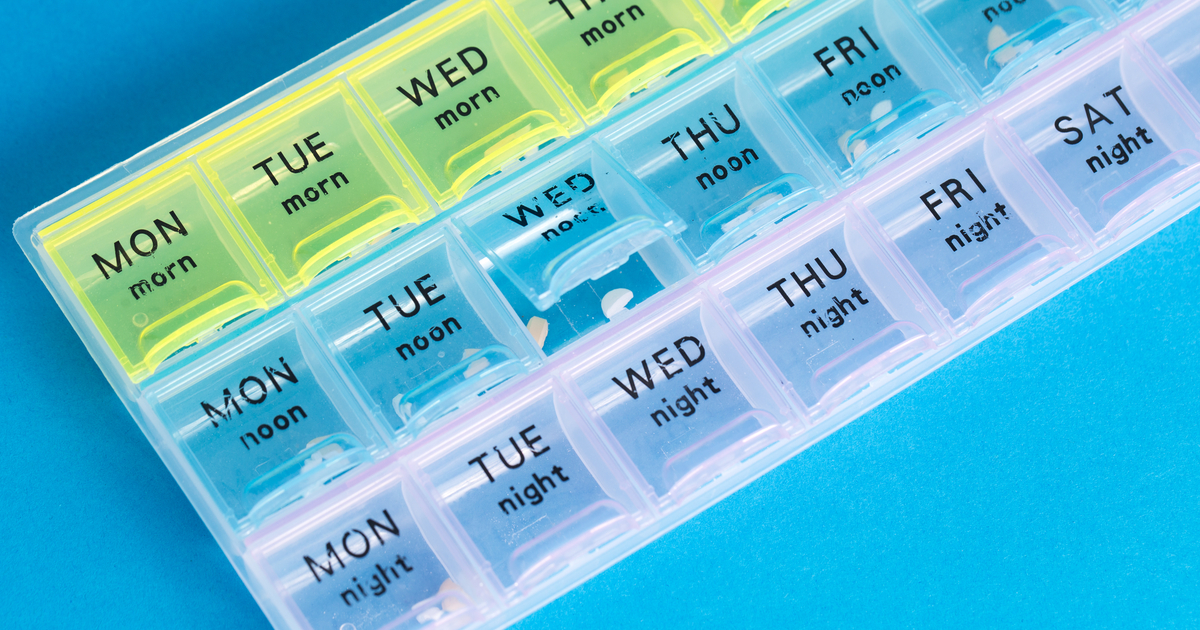
Using a pill organizer allows you to help your senior pre-sort prescriptions for the upcoming week, with enough compartments for every dose.
5. Make sure medication instructions are clear
Follow the doctor's instructions exactly. Ensure your senior understands which medications are safe to take together.
6. Set up medication reminders and a tracking system
Use alarms, apps, or basic alarm clocks for reminders. Track medications with a simple chart using checkmarks or X's.
7. Plan ahead for medication refills
Ask for 90-day supplies through mail order pharmacy when possible. Use automatic refills and delivery services to stay organized.